His Journey and Voice
● HOW EVERYTHING STARTED
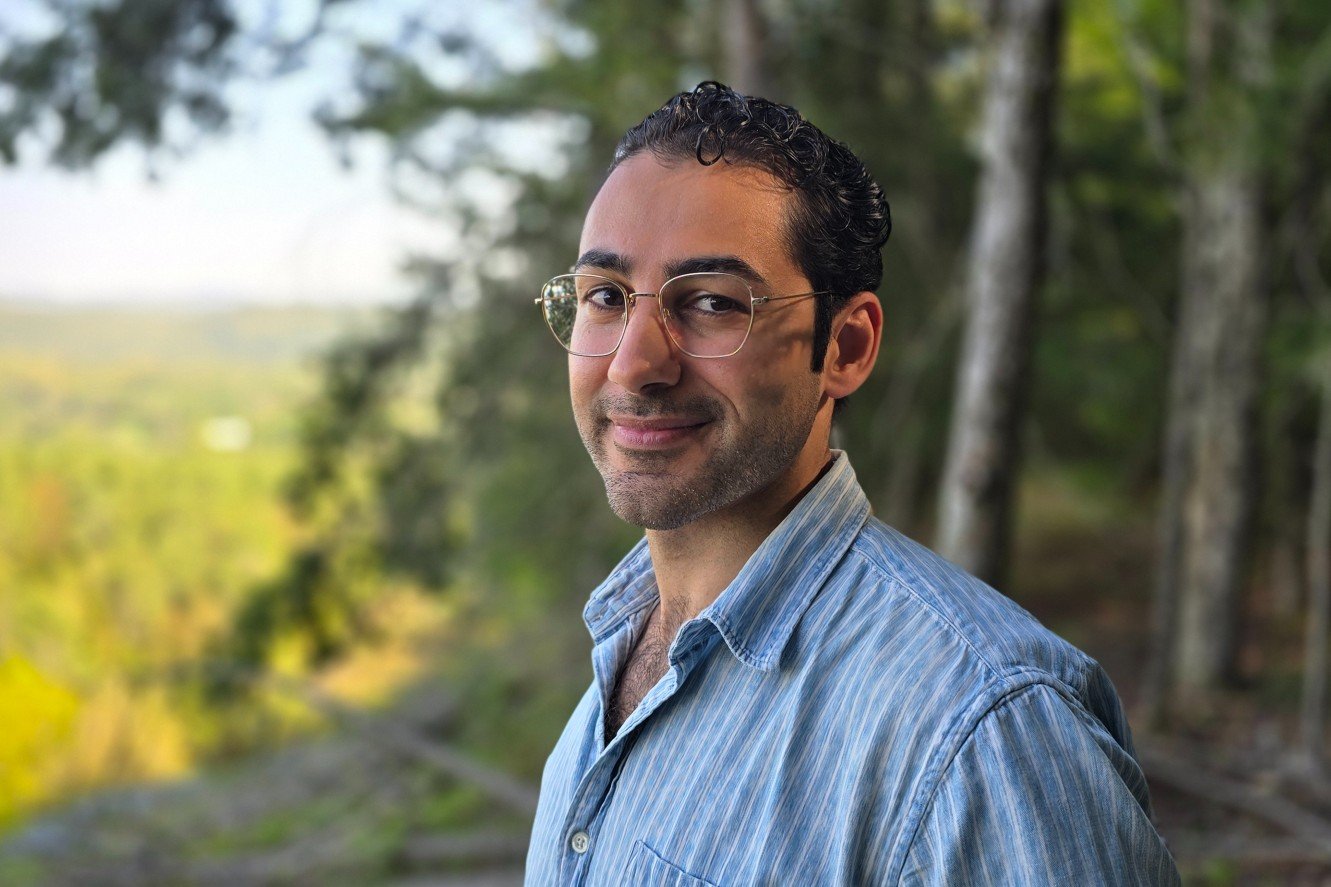
Mohsen Mahdawi grew up in Al-Far’a, a refugee camp near Jenin, Palestine, where his childhood was marked by the trauma of living under Israeli occupation. At twenty-four, he arrived in the United States and experienced freedom and safety for the first time.
● YEARS LATER
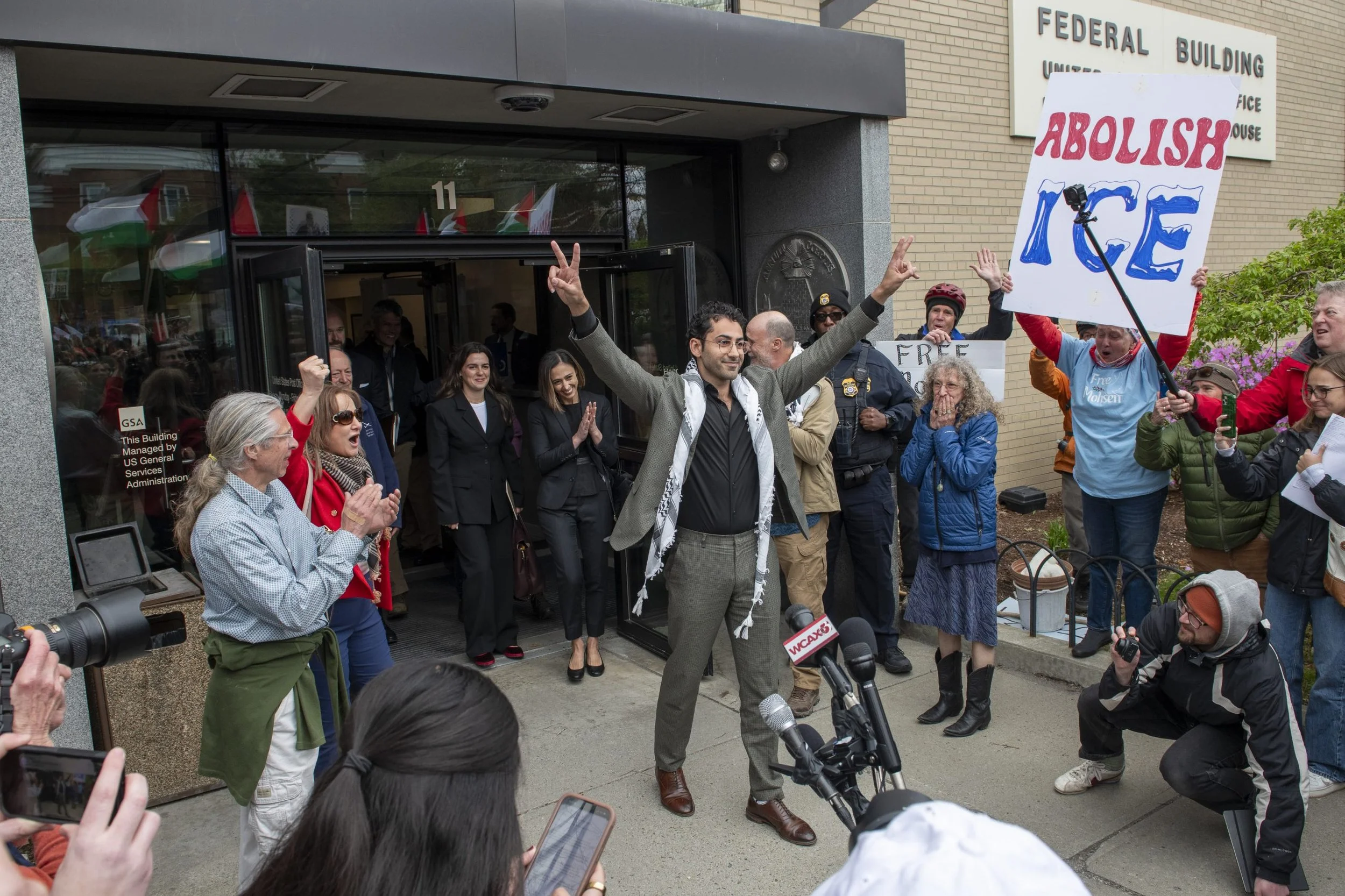
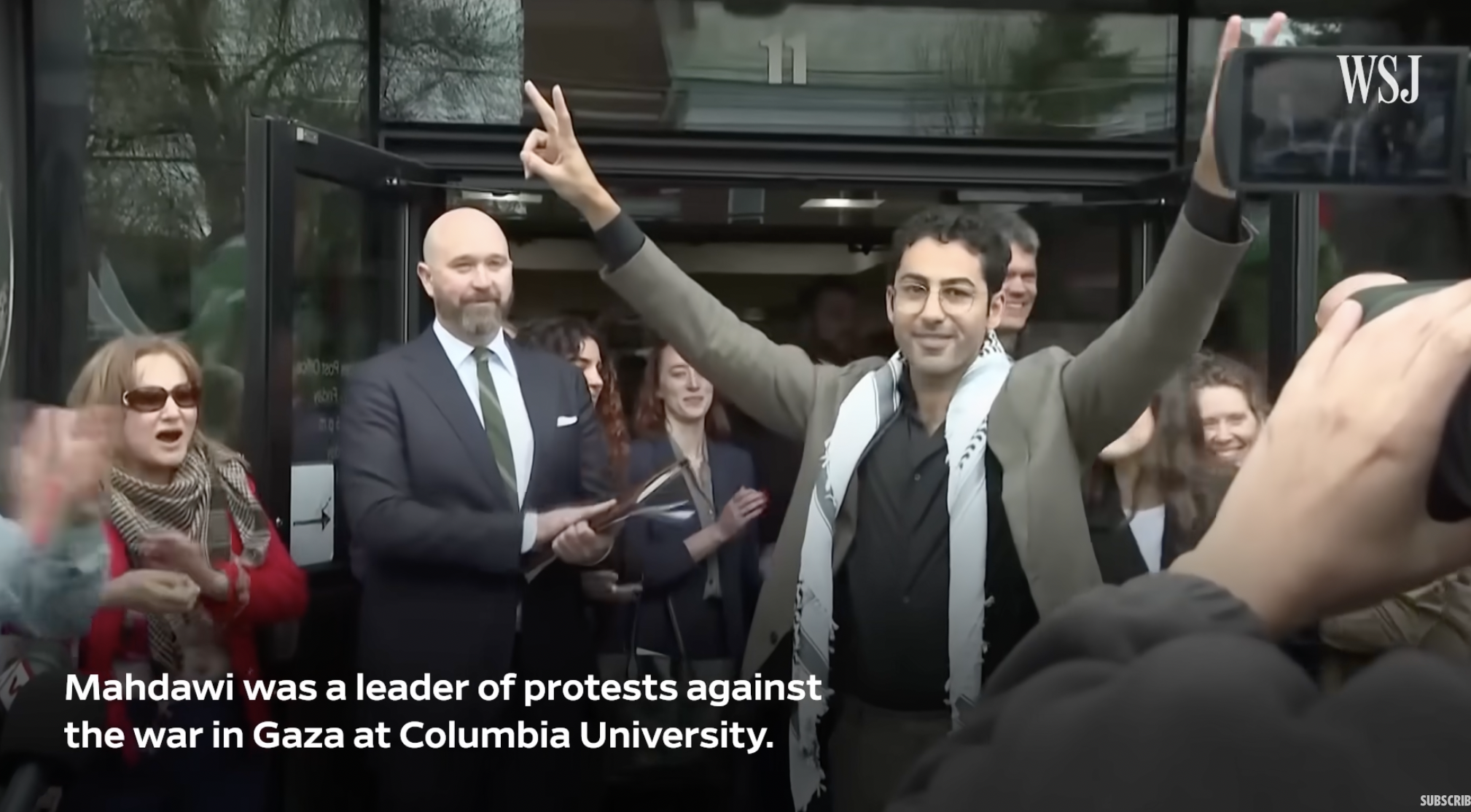
That experience was cut short in April 2025 when Mahdawi walked into a Vermont immigration office expecting to complete his U.S. citizenship process. Instead, he was handcuffed and detained. The arrest, widely seen as retaliation for his pro-Palestinian activism, sparked national solidarity.
Upon his release, he declared, “I am not afraid of you.”
● FROM DISPLACEMENT TO DIPLOMACY
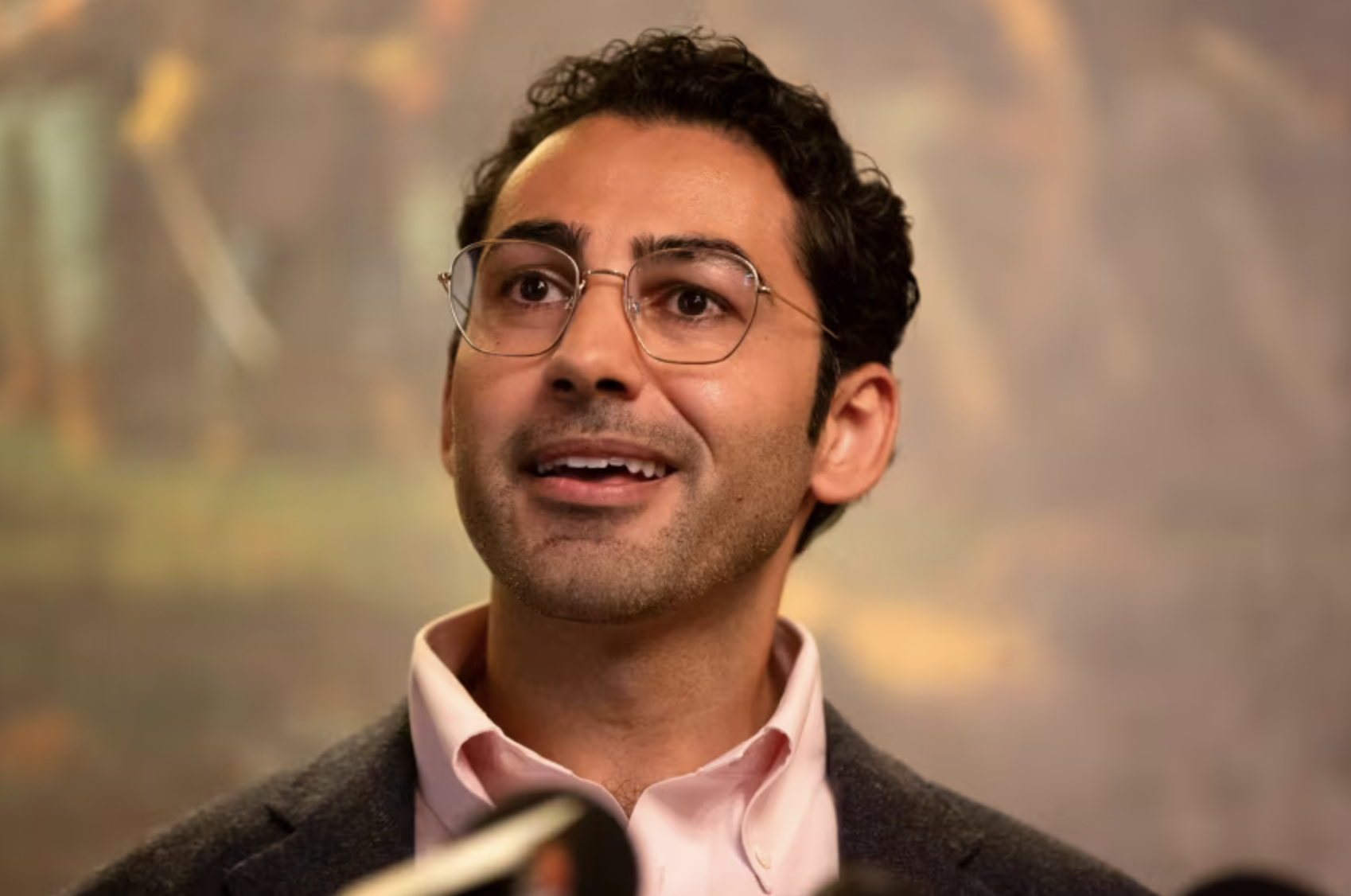
Photo by Alex Driehaus
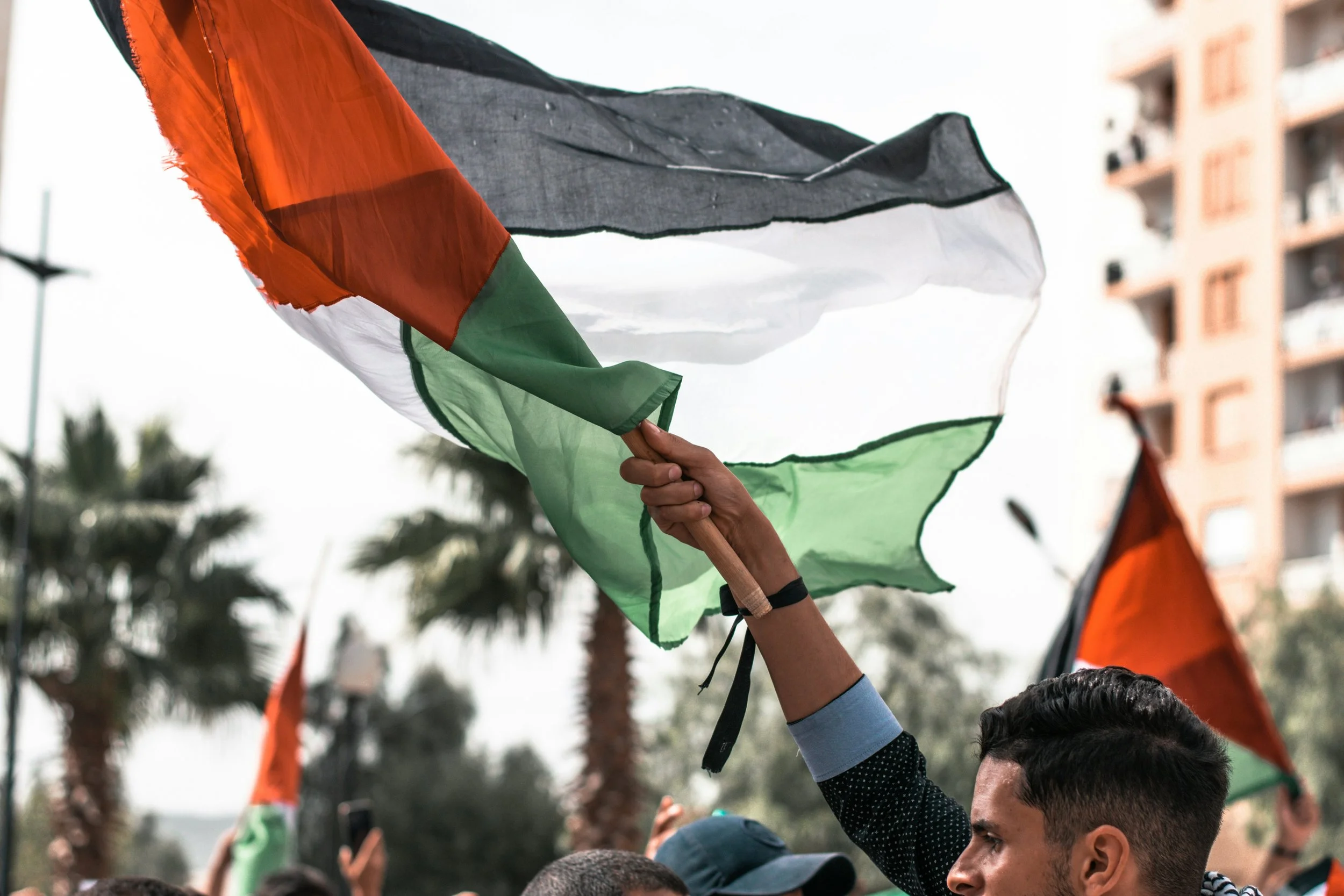
That moment capped years of activism. In a political climate often defined by polarization, Mahdawi has insisted on engaging in difficult dialogues, including with Jewish and Israeli communities. He believes that the fight for Palestinian rights and freedom is inseparable from the struggle against antisemitism.
For him, peace is not a slogan of reconciliation but a demand for justice, dignity, and freedom for all who live under oppression.
● MISSION
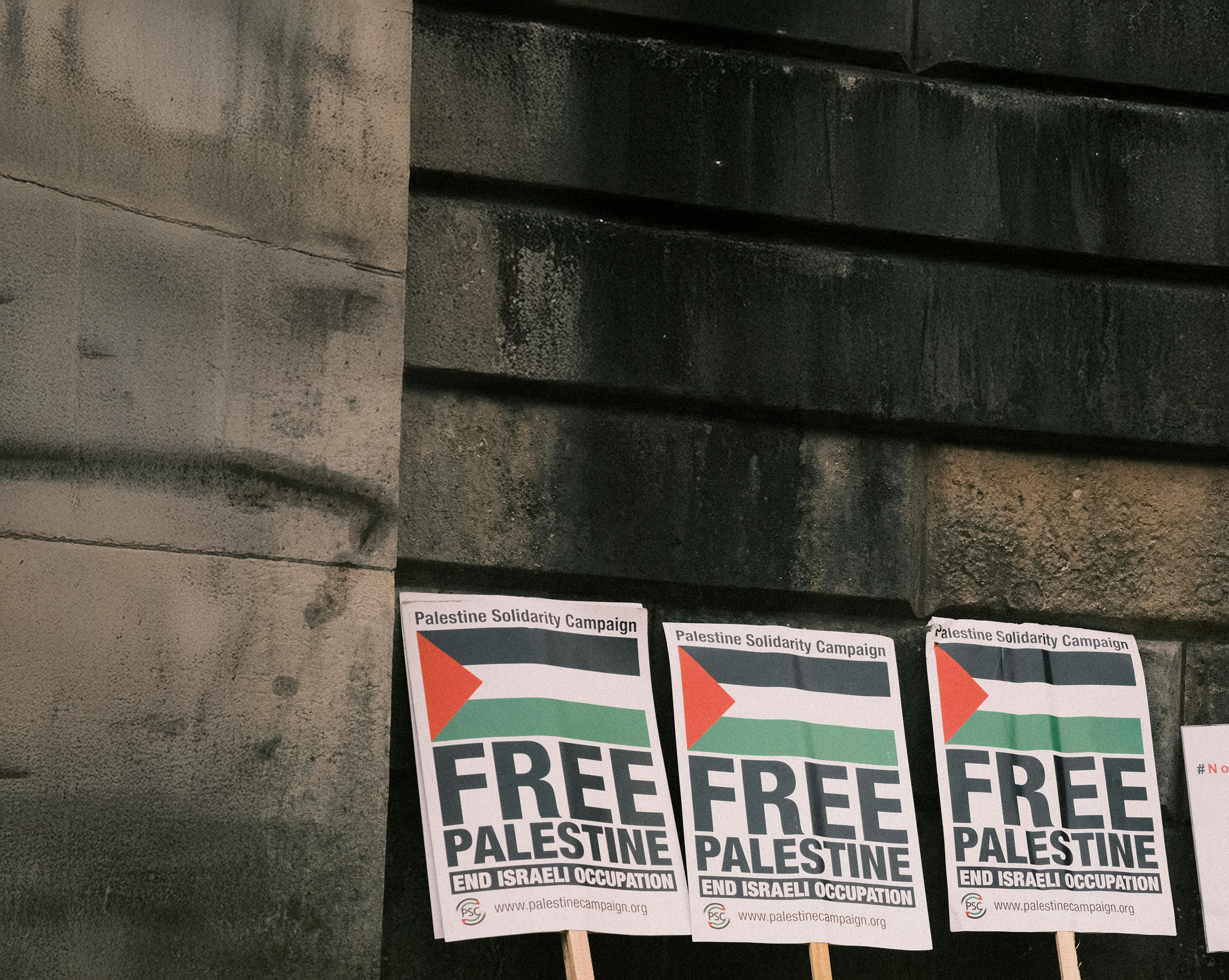
Before stepping back from his role as a co-founder of the Columbia University Apartheid Divest coalition, Mahdawi helped unite more than 100 student organizations, fueling a nationwide movement for Palestinian rights. At Columbia University, he co-founded the Palestinian Student Union, served as its co-president, and became a leading figure in campus activism
● IN THE LAST YEARS
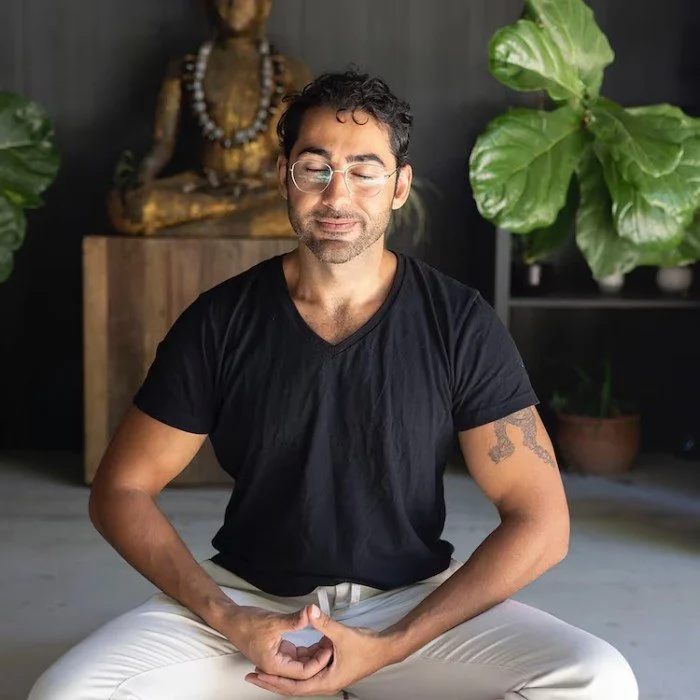
Photo by Jeff Krasno
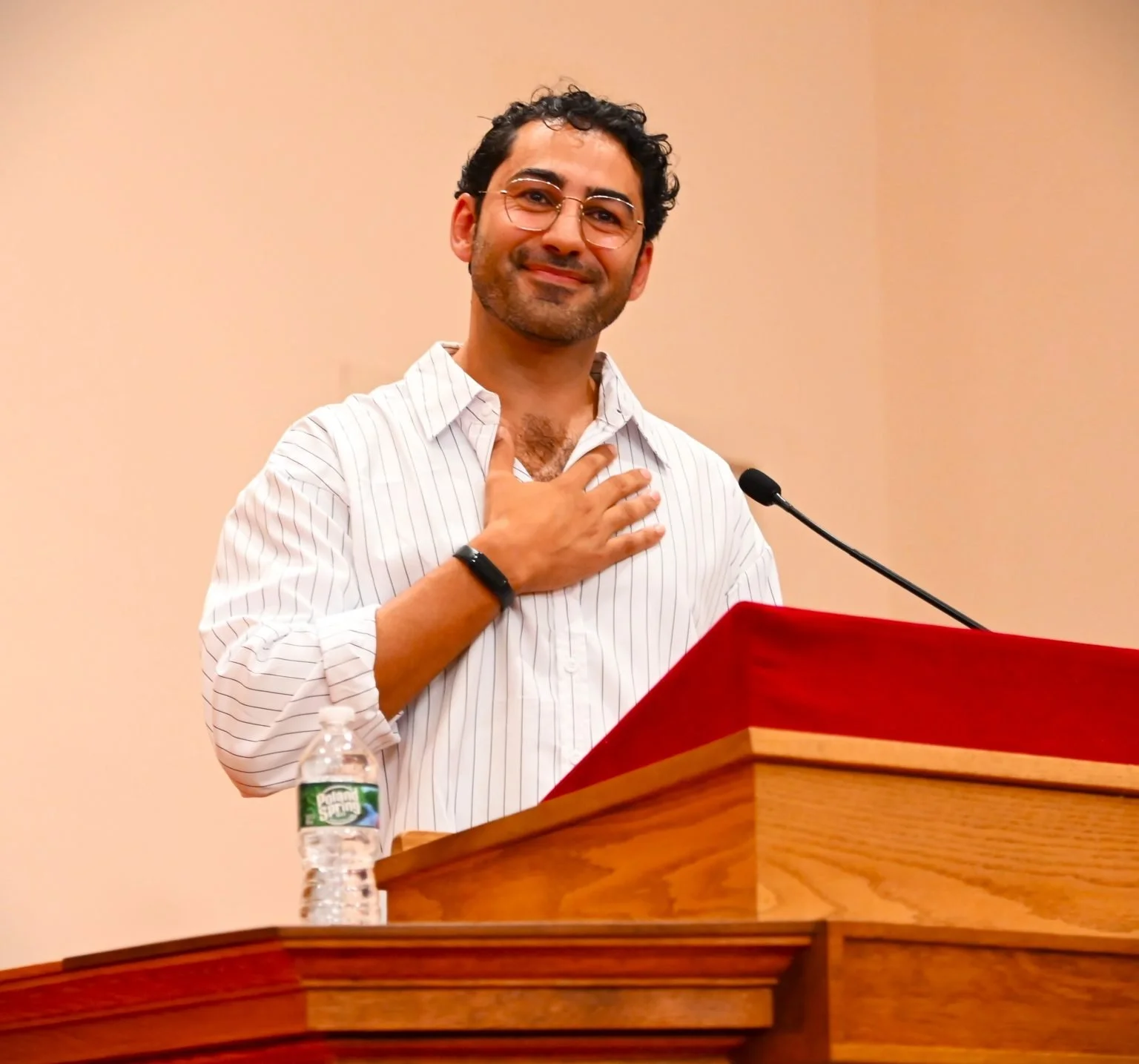
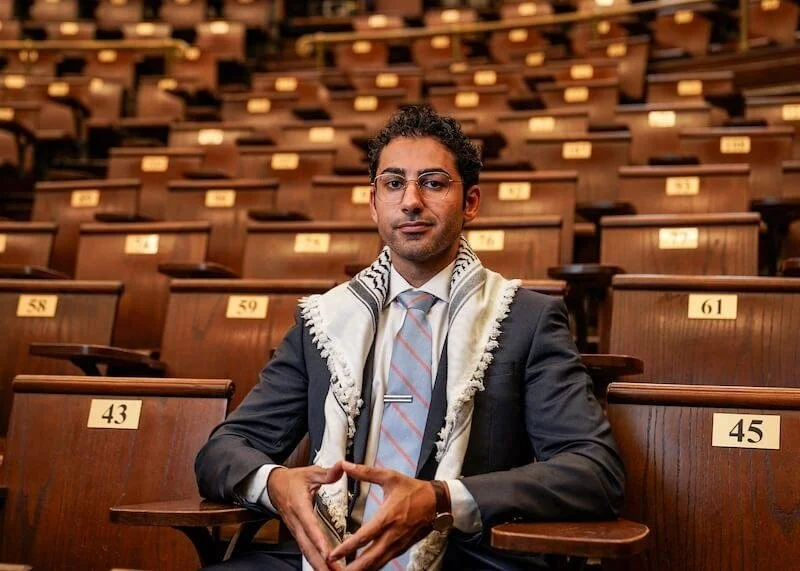
As president of the Columbia Buddhist Association, he deepened his commitment to nonviolence, empathy, and the alleviation of all suffering. Beyond campus, he has spoken at hundred venues, including synagogues, churches, schools, and community centers, advocating for peace, justice, and human rights.
Today, he is pursuing a master’s degree in International Diplomacy at Columbia University’s School of International and Public Affairs.
The cost of speaking out has been personal.
Since October 7, Mahdawi has lost multiple family members. Despite such profound loss, he continues to turn the bitterness of loss into a bridge toward justice, insisting on liberation for all.
● MEDIA AND NEWS
As seen and heard in...
Featured